sduhubš čəɬ
We Are Snohomish
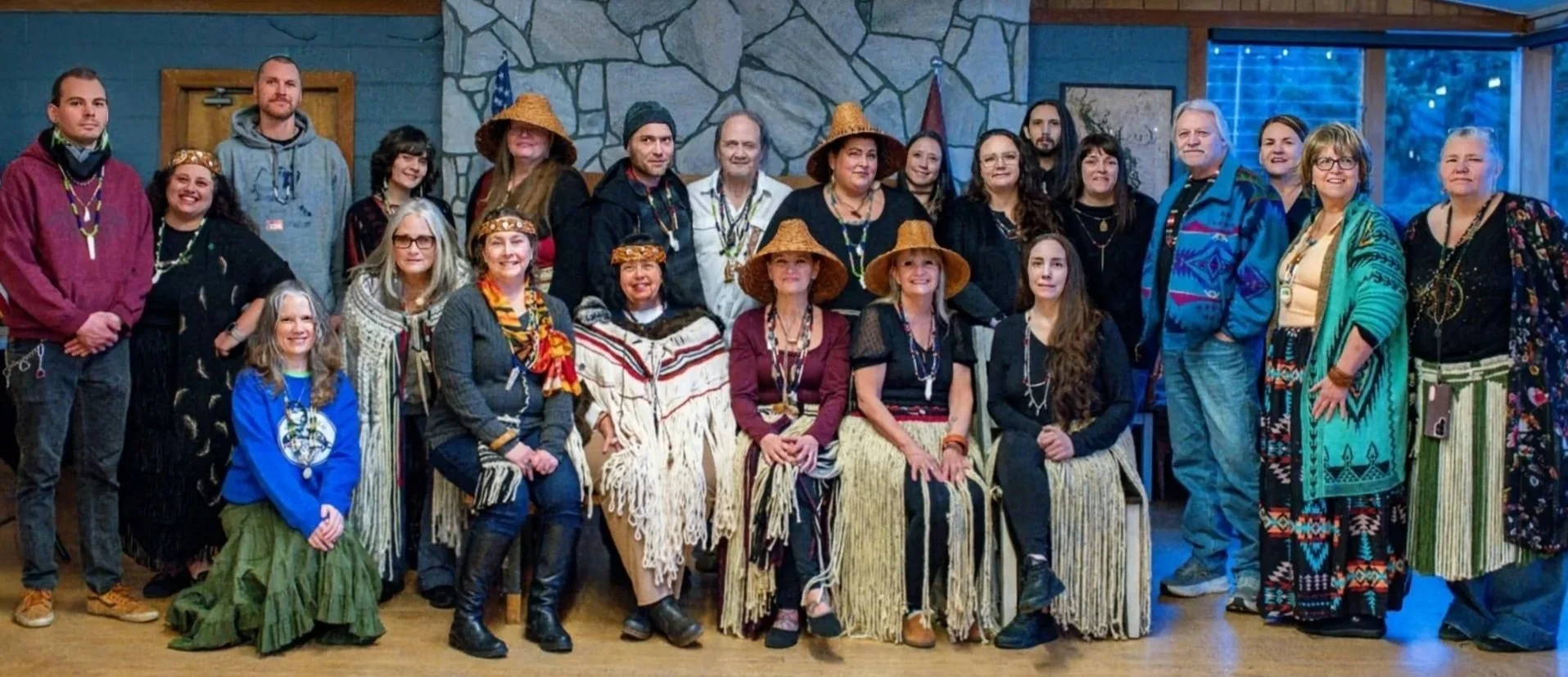
We are the Snohomish Tribe of Indians, a Lushootseed-speaking Coast Salish Nation. Among our ancestors are Snohomish leaders who signed the 1855 Treaty of Point Elliott. We honor our warriors, hunters, fishermen, and medicine people who cared for our families.
We honor our Tribal leaders who carried our government forward in 1917, 1926, and 1927, and all those who have fought in the years since to keep the Snohomish Tribe from being forgotten as a people.
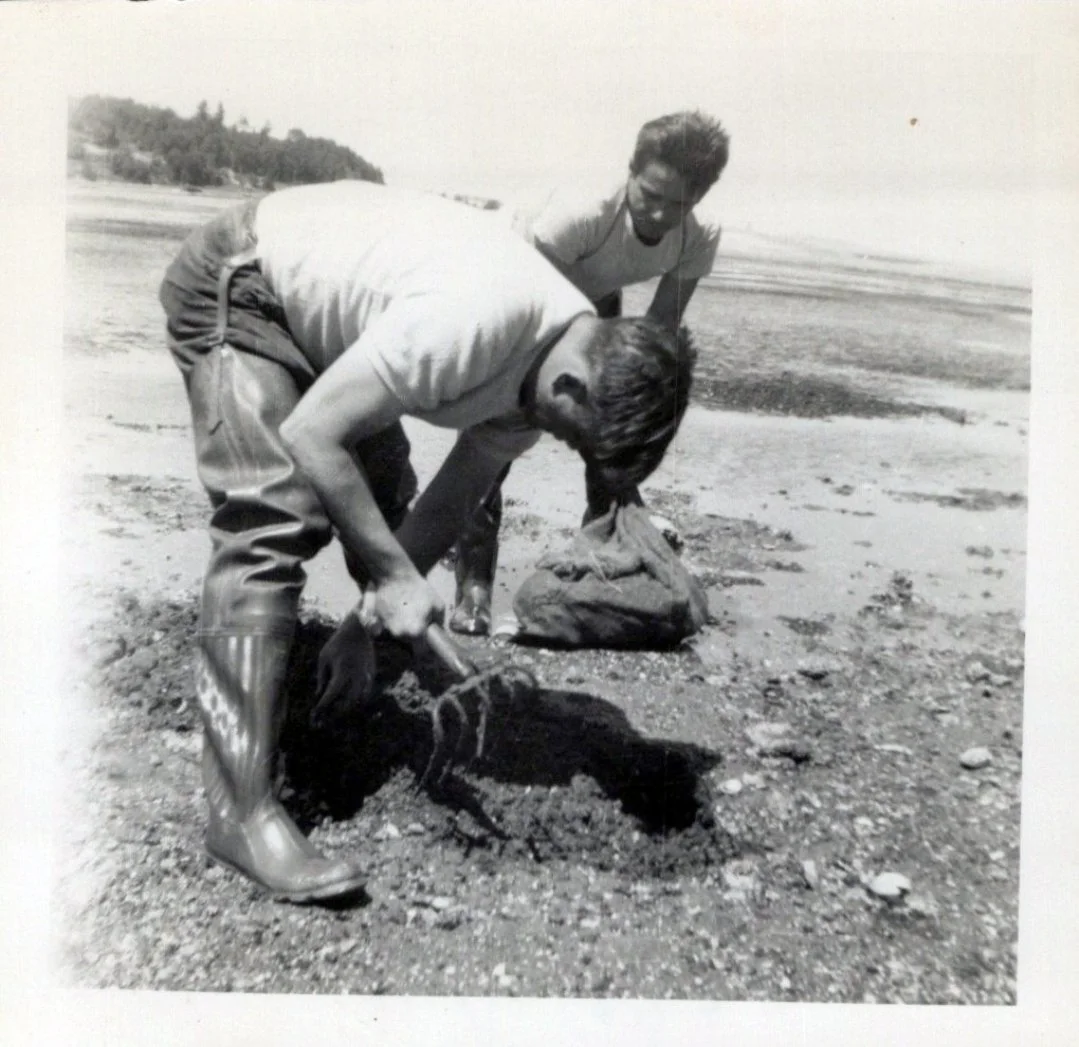
We remember the men and women who traveled between Tulalip, Whidbey Island, Port Hadlock, Chimacum, Sultan, and Monroe to take care of family. They made those trips for one another. That is how our families stayed connected, even when they lived far apart.
Some of their names are still spoken in our families. We are still working to recover others.
They took care of one another. Now that responsibility is ours.
Our families and communities
Our people come from the Snohomish River country and the saltwater villages of Possession Sound and the islands. Our Tribe includes descendants of Snohomish people who did not settle at Tulalip or were not enrolled there. Today, members of our Tribe live throughout the region and beyond.
Some of our Snohomish relatives are citizens of the Tulalip Tribes. The Snohomish Tribe of Indians and the Tulalip Tribes each have their own government and membership. Many of us share ancestors, family stories, and ties to the same rivers, villages, and islands. We honor the communities our relatives belong to today.
Displacement and federal policies shaped where our families could live and whose names appeared on enrollment rolls. Over generations, some of our families lost touch. One of our greatest hopes is to help Snohomish relatives find one another again. We want our children and grandchildren to know their ancestors by name, to grow up knowing their relatives, and to know the places their families come from.
We are still relatives. We are still responsible to one another.
Read our history Explore our communities and homelands
Membership under Article III
Our membership is grounded in Snohomish ancestry and the family connections identified in Article III of our Constitution.
Article III’s membership provisions include direct or collateral descent from Snohomish Indians named in the Treaty of Point Elliott; Snohomish ancestors listed in Charles Roblin’s 1919 Schedule of Unenrolled Indians; persons on the Indian Claims Commission Docket 125 judgment distribution roll; and persons on membership rolls approved by the 1926 Snohomish Enrollment Committee or the Snohomish Tribal Council, together with their descendants.
Our Nation today
The Snohomish Tribe of Indians governs through our Constitution, General Tribal Meetings, and elected Tribal Council. We maintain our membership, care for our families, and continue to seek restoration of our federal acknowledgement. That is one part of our work.
What we are praying for is the restoration of all that was taken from us.
What matters most to us is family. We want relatives who have been separated for generations to find one another again. We want our children and grandchildren to know who they come from, to know their relatives across Tribal Nations, and to grow up in one another’s lives.
Restoration also means hearing Lushootseed spoken in our homes and working toward a land base of our own here in our homelands. We want a place where our families can gather for ceremony, where a grandparent can bring a grandchild, speak Lushootseed with them, and introduce them to a relative they have yet to meet.
We pursue federal acknowledgement in part because we are tired of having to fight for the right to call ourselves a Tribe. We also do it for our parents, our grandparents, our great-grandparents, our great-great-grandparents, and those who came before them. They fought to keep the Snohomish Tribe from being forgotten. We carry that work forward for them and for our children.
Our people were here long before the United States created a process for acknowledging Tribal Nations. Yet people still point to our federal status and tell us we should stop calling ourselves the Snohomish Tribe of Indians.
When someone asks that of us, what exactly are we supposed to tell our children? That their ancestors belonged to a Tribe, but they do not? At what point did the people who raised us, carried our teachings, and held our families together stop being a people?
We are a Tribe. We have been a Tribe, and we will continue to be a Tribe. Federal acknowledgement does not mark the beginning of our existence, and its absence does not mark our end.
Our sovereignty does not disappear because someone denies it. When someone asks us to stop calling ourselves a Tribe, they are asking us to participate in our own erasure. They are asking us to speak of our ancestors in ways they would not recognize and to teach our children to do the same.
We want to be good relatives. We want our children and grandchildren to learn what that means from the way we treat one another.
We should never have to deny who we are as the price of being welcomed.
Meet our Tribal Council Membership and family inquiries Contact us: info@snohomishtribe.org